
House Call Doctor in Singapore: When to Request Home Visits for Elderly Parents
Getting an elderly parent to a clinic is not always simple. Can they walk comfortably? Will the journey exhaust them? Is a waiting room safe for someone whose immune system is not what it was? And sometimes timing is the problem: the illness comes on a public holiday, or late at night, or on a day when no one is free to drive.
A house call doctor is a GP who comes to the patient’s home. For the right situations, it removes most of these problems entirely. But it is not the right answer to every medical scenario. Knowing when a home visit makes sense, and when it does not, helps families make better decisions.
What Is a House Call Doctor?
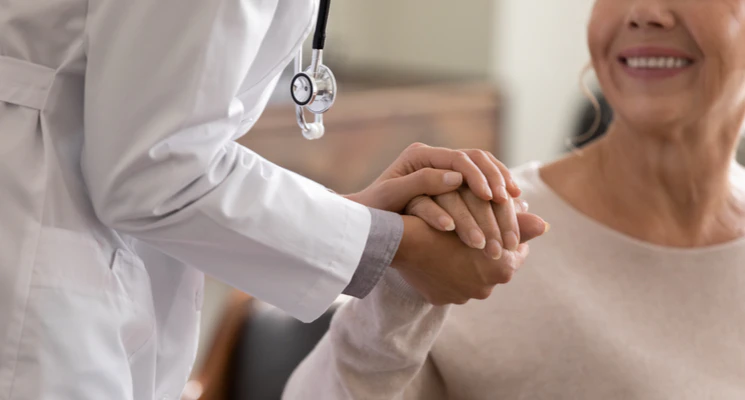
A house call doctor is a registered GP who travels to the patient’s home to conduct a consultation. The doctor arrives with the equipment needed for a standard assessment: stethoscope, blood pressure monitor, thermometer, pulse oximeter, and usually a stock of common medications that can be dispensed on the spot.
Home visits are available through GP clinics that offer this service, as well as through dedicated home medical providers. What can be done at home is narrower than at a clinic. There is no blood laboratory, no imaging equipment, no procedure room. But for many common conditions and for routine elderly care, a house call covers what is needed.
One thing to be clear about upfront: a house call is not emergency care. If your parent is having a stroke, a heart attack, a serious fall injury, or any condition requiring immediate hospitalisation, call 995 for an ambulance. Do not wait for a home visit. House call doctors assess and treat; they cannot manage life-threatening emergencies that need hospital equipment.
When a House Call Makes Sense for Elderly Parents
Mobility Difficulties
If your parent has difficulty walking, uses a wheelchair, or is recovering from a fall or surgery, getting to a clinic is physically demanding and carries its own risk. A home visit removes that entirely. The doctor can also observe the home environment directly, which sometimes reveals fall hazards or safety issues that would never come up in a clinic consultation.
Acute Illnesses That Are Not Emergencies
Fever, respiratory infections, urinary tract infections, gastroenteritis, mild dehydration: these can usually be assessed and treated at home. The doctor takes a history, does a physical examination, prescribes medication, and advises on whether follow-up at a clinic or hospital is needed.
Worth noting for elderly patients specifically: even a fever that looks routine warrants proper medical attention. Illness in older adults does not always present the way you would expect, and a GP can tell whether something more serious is developing.
Contagious Illnesses
Taking an infectious elderly person through a waiting room exposes both them and other patients to unnecessary risk. When the condition is likely contagious, a home visit allows the assessment to happen without that exposure.
Chronic Disease Monitoring
Elderly patients with diabetes, hypertension, or heart disease need regular check-ups. For those who find it difficult to attend clinic appointments consistently, periodic home visits for monitoring cover blood pressure, medication review, and symptom review without the stress of repeated trips to a clinic.
Post-Discharge Follow-Up
In the days after a hospital stay, elderly patients often need wound checks, medication reviews, or a general check-in. A home visit is more comfortable for a recently discharged patient and avoids unnecessary re-exposure to other illnesses in a clinical setting.
When the Family Cannot Be There
If adult children are working and cannot take time off, a house call means the parent gets professional attention without needing someone to make the journey with them. The doctor can follow up by phone or WhatsApp with an update and next steps.
What a House Call Doctor Can and Cannot Do at Home
A house call covers most of what a GP clinic visit covers. The main difference is equipment.
A house call doctor can:
- Conduct a full physical examination, including blood pressure, temperature, pulse, and respiratory rate
- Assess acute illness symptoms and advise on treatment
- Dispense common medications on the spot
- Write prescriptions, fillable at polyclinics and selected pharmacies
- Administer injections where clinically appropriate
- Perform wound dressing and basic wound assessment
- Review and adjust existing chronic disease medications
- Issue medical certificates where appropriate
- Write a referral letter to a specialist or hospital if needed
What a house call doctor cannot do at home:
- Process blood tests on the spot (blood can be drawn and sent to a laboratory, but results come back the next working day or later)
- Order X-rays, ultrasounds, or CT scans
- Perform procedures that require a sterile clinic environment
- Provide emergency resuscitation or manage a life-threatening condition
If your parent’s condition turns out to need hospital-level investigation, the doctor will say so and can arrange a referral letter or call ahead on your behalf.
When to Call 995 Instead of a House Call Doctor
A home visit is not appropriate for medical emergencies. Call 995 for an ambulance if your parent has:
- Chest pain or tightness that may indicate a heart attack
- Sudden weakness or numbness on one side of the body, facial drooping, slurred speech, or sudden confusion (possible stroke)
- Severe difficulty breathing
- Loss of consciousness or inability to wake
- Severe bleeding that cannot be controlled
- A serious fall with suspected fracture or head injury
- A very high fever with confusion or altered mental state
If you are unsure whether the situation is an emergency, treat it as one. Call 995. It is better to be reassured it was not an emergency than to wait when it was.
What to Prepare Before the Doctor Arrives
A few things make the visit go smoothly:
- Medication list: Gather all current medications, including supplements, so the doctor can check for interactions before prescribing anything new.
- Medical records: Recent hospital discharge summaries, blood test results, or specialist letters give useful context. Have these ready if you have them.
- NRIC and CHAS or PG/MG card: Some house call services accept CHAS subsidies or Medisave. Having these documents ready avoids delays.
- Access to the home: If the unit is in a HDB block with a gate, have someone available to let the doctor in. Let the clinic know in advance if there are any access requirements.
- Brief summary of the problem: When symptoms started, how they have changed, and any recent shifts in the patient’s health. The more specific you can be, the more useful the visit will be.
House Calls for Elderly Patients: Beyond Acute Illness
Some elderly patients need more than a one-off visit for an acute illness. Home-based care can also cover:
- Dementia screening and cognitive assessment. The home environment gives the doctor context that a clinic visit does not: how the patient moves around, how they manage in familiar surroundings, whether the home setup is safe.
- Fall risk assessment. A doctor who visits the home can look at the living space and advise on practical adjustments such as grab bars, non-slip mats, or lighting, rather than offering generic advice from a consulting room.
- Medication reviews. Elderly patients on multiple medications benefit from periodic reviews to catch interactions, unnecessary duplication, or doses that need adjusting as their health changes.
- Severe Disability Assessment (SDA). For families applying for CareShield Life, ElderShield, or other AIC schemes, a home visit from an accredited doctor may be needed to assess Activities of Daily Living. The assessment fee for a home visit is $250, and this can be waived or reimbursed in certain circumstances. Check the AIC website for current terms before booking.
For families managing an elderly parent’s health over the longer term, having a regular GP who knows the patient well, whether through clinic visits, home visits, or both, makes a real difference when something changes unexpectedly.
More information on Lion Health’s elderly care services, including geriatric assessments, chronic disease management, and vaccinations under the NAIS, is available on our Elderly Care page
House Call in Kallang and Yishun
Lion Health Clinic provides house call services from two locations.
Our Boon Keng clinic is at 101 Towner Road, #01-218, within the Kallang district. Families in Kallang, Boon Keng, Geylang, and the surrounding areas can request a house call through this branch.
Our Yishun clinic is at 931 Yishun Central 1, #01-107, serving patients in Yishun and the surrounding communities in north Singapore. For families caring for elderly parents in Yishun, a home visit from our Yishun branch means your parent does not have to travel.
Both clinics are CHAS-accredited and open daily including public holidays, from 8am to 2pm and 5pm to 11pm. Where possible, contact the clinic in advance to request a house call; our team will confirm availability and timing based on your location.
How to Arrange a House Call with Lion Health Clinic
To arrange a house call for an elderly parent:
- Contact the nearest Lion Health clinic directly: Boon Keng for the Kallang area, or Yishun for north Singapore.
- Describe the patient’s condition and current symptoms.
- Confirm the home address and any access instructions.
- Have the medication list and relevant medical documents ready before the doctor arrives.
Our doctors will let you know whether a home visit is the right option, or whether a clinic or hospital visit would better serve your parent’s needs at that point.